My brief journey through music

I have a long storied history with the violin and classical music. While this probably won’t be my first or only post about it, perhaps this might inspire some of you to see why I went down this path.

I was 4 years old when I first wanted to learn the violin. I had recently seen people play it on TV, and my mother figured it would be good for me. Nobody in my life at that point had played as far as we knew, and my grandmother was initially quite against it- she told her that this would be an “8 month obsession, then get dropped as soon as it came”. Little did she know, here I’d be, 20 years later. My mother didn’t know what to do, and ended up finding me my first teacher- a traditional teacher who, despite her best efforts, I simply didn’t get along with. It was surely nothing on her, but it was clear we weren’t making progress, and after another switch I found myself in a studio with other kids and adults all learning to play. Here I’d make my musical home for about 8 years, and I first gained exposure to the suzuki method.

My teacher was lovely, wonderful even. While I certainly had my reservations for practicing, I learned very early on that I had a good listening ear- if I listened to it enough, I’d be able to play it without reading it. Unfortunately for me, this talent meant that I slacked off on learning to commit to hard practice: a habit that would ultimately drive me into a pit when I entered my early teens. I wasn’t sure what to do or where to go, but little by little I managed to find a new place I’d fit in- partially by learning the french horn. This went in a completely different route than the violin, but served as a great outlet for my love of music and gave me the breaks I needed to reset. Slowly over time I’d filter back out to primarily being a violin student, but the french horn has, and will always be, a very important part of my life. I own my own horn now, and every now and then I take it out to play- just to make sure I’ve still got it!

Eventually, my mother married, and I got my stepdad and younger brother a few years later. My stepdad, turns out, was big into classical music- although he’s not a performer, he’s very versed in the musical scene. It was a little before this that we also learned that my great grandmother on my mother’s side did in fact play the violin- something she kept secret from the rest of the family for years, even from her own kids! How she managed that I’ll never know, but it’s thanks to her and my dad that I have the things I do today.

When I got into high school, I found a teacher in the form of a member from the calgary philharmonic, and entered my first competitions. It was a magical time, still full of stress, but despite the hair pulling I had never felt more alive. I realized that when I stopped playing music, I stopped caring for other aspects of my life- I’d neglect myself, and my relationships with the people around me. When I recieved an invitation to go study in the province over, it meant leaving behind my family, my younger brother, and all my friends for three years. I’d almost been done high school, but I decided to take the plunge, resulting in a tearful move where even though I’d see my family, forced me to grow up far sooner than anyone expected.

I lived as an independent student for 3 years: 2 of those spent retaking highschool classes to ensure I’d be eligible for graduation in my new province. I got to stay at a cabin we owned, and worked virtually where I could. I’d commute for my lessons with my new teacher twice a week 2 days every week, once for private lessons, once for chamber music. I had to wake up at almost 4:30 in the morning the days after to make sure I got to school on time. I don’t miss it, but it certainly taught me something about punctuality! The holidays weren’t the easiest, but I’ll never forget my first christmas- on christmas, my family sent me a package with a small tree and decorations, and a box of gifts to open the day of with them on a call. It was bittersweet, but it was all the strength I needed to keep on going. I learned a lot in those few years, and when I returned home, I was far more developed both in terms of what music meant to me and my own capabilities- I’d learned to practice, what it felt like to fall in love with an instrument all over again, and how to build from nothing with only music loving to my name. There, I found an identity outside of just what I wanted to do, but a love for the life around it.

Hopefully you enjoyed this short tidbit! I’ll probably edit it later, but maybe this will help inspire some of you out there.

Top 5 things when you want to learn an instrument as an adult

One of the most common things I’ve seen in my career is the number of adults who want to learn to play an instrument. Some wish to learn an instrument well into adulthood after having abandoned it years ago, while others are learning for the first time and have never had the time or money until recently. These are all completely understandable things, and I’m here to tell you that no, just because you might not be as young as you used to be, that doesn’t make it any less possible!
I’ve seen a lot of adults fall into a digital research loop, which is probably how you found this post! Unfortunately, this loop isn’t always helpful and can sometimes just lead us to having more questions than answers, or (worst case scenario) just wanting to give up and buy the first cheap $100 dollar violin, bow, and case you found on ebay(trust me, this happens more than you’d think)! Not to worry though, with these tips, I aim to help make your experience far more pleasurable and easier to navigate while also aiming to help answer some of those harder-hitting questions you may have. Let’s get started!

  1. Keep in mind the space you have available.
    This both applies to the physical size of the instrument, as well as your general living space situation. I’d always suggest to people looking for a piano or other larger instrument to take measurements of your doorways and spaces for where you want to put an instrument before you go shopping around. This way you can make sure it all fits into a cohesive space. If you have a limit for size, consider getting something portable or easy to put away (like a collapsible keyboard in the case of a piano). For smaller/more portable instruments like violins or guitars, this tends to be less of an issue, but think about where and how you want to store it before going ahead with your purchase- if you want to keep it out of its case, make sure you have a safe stand and spot it won’t get knocked over by accident. If you’d rather keep it in its case, where is that going to be? We’ll elaborate a bit more on this in the next point.
  2. Temperature and Humidity is important!
    This is arguably the biggest thing on this list. For any instrument that is predominantly wood (violins, cellos, upright or grand pianos, etc.), they will all contain some amount of moisture. Wood used in instrument making isn’t actually as dead as some might have you believe- it is very much still alive, and it’s constantly reacting to it’s environment. The glues they use on some of these instruments like violin and guitar are very weak. This is intentional and vital to ensuring an instrument has good sound and can be repaired easily, but the downsides of this result in them being very frail. If an instrument is too humid, the wood expands, and if it’s too dry, it contracts. Both of these will result in open seams, or at worst, a crack- and when your instrument can cost around $50-$100 dollars for each individual repair at minimum, things start to add up fast. Invest in a humidity gauge and an instrument humidifier that works with your room (the ones built into your boilers don’t always work!), consider getting an in case humidifier if you travel often or live somewhere very dry, and make sure your instrument isn’t left anywhere that gets extremely cold or hot.
  3. Invest in quality
    This is something I had to learn early on in my own career. While it’s important to set a budget (especially in this kind of hobby or career), we have to keep in mind that there’s a reason the price curb exists, and that’s because they’re priced based on the time spent to make them and how good they’ll sound. A decent or otherwise good lower end or student violin on average can cost around $550 to $650 dollars for just an instrument, but keep in mind that instrument will not only be far kinder to YOUR ears as you’re learning, but will often feel much more comfortable, have a nicer feel under the fingers (which is in fact a real thing), and can be surprisingly easy to care for assuming you’re doing the basics. Additionally, instruments (at least in the case of stringed bowed ones) don’t decrease in value. Your $150 dollar violin you got appraised from your garage in 99% of cases will never be worth more than $150 dollars, and there’s usually reasons for this being set there- wrong glues used, using paint for varnish or painted boxwood for fingerboards, even things like damage that simply aren’t worth the cost of the instrument to repair can all play a part. Instead, find and locate professionals or good businesses in your area and ask around, or inquire with friends and family or a local teacher about where to start looking for your price range. I’m sure something is out there for you!
  4. Look into what service and care looks like for your instrument
    Every instrument will have different needs for care and being serviced, and knowing what services you can do yourself versus ones that need a professional can make all the difference! What cleaners and polishers are okay? What aren’t? What instruments shouldn’t ever be touched by water? Can I use a Lysol wipe on my child’s violin after he got sticky fingers on it? (I’ll give this one to you: Absolutely not!)
    I assure you, nothing is worse than thinking you can DIY a crack repair with wood glue, only to realize it’s now worse for wear and will cost you far more money to fix properly. Often this is how we end up with duds- ie. instruments which cannot be afforded to be repaired, because they were fixed in a bad manner that would result in a higher cost for the repairer than the instrument is worth. This is always the worst case scenario, and can be easily avoided if you maintain your instrument well and knowing who to call if you need a big fix taken care of but there’s always things you as an individual can do. You can learn to properly clean, change strings (in the cases of smaller instruments), or how to properly identify things that are wrong.
  5. Trust your gut
    So often people try to justify things with logic and reason, and I get that. We want to use our brains when making big decisions. Here though, many times our gut instinct is right on what we like and what we don’t like. Many times I see people go with their rational thoughts for deciding what they get and then returning it weeks later because they couldn’t bring themselves to love it as much as another option. Don’t ignore this feeling. It’s worth falling in love with something, and sure- maybe it’s a bit more or less expensive than you wanted, or maybe it’s not even the original instrument you had in mind, but if you find yourself drawn to it you’ll find it’s that much easier to commit to. We love to spend time with things we enjoy, and your instrument should be no exception 🙂

Hello there!

It’s nice to meet you, whoever happens to stumble upon this blog page. Although I aim to use and transform this into a page dedicated to my music, I figure it’s best that people know what they’re signing up for and who I am as a person. I’ve been playing stringed instruments since I was only 4 years old, starting on the violin. I made my transition to being a violist full time in my late teens, and I’ve played french horn for several years before that! I love my instruments dearly, and music is a very integral part of myself.

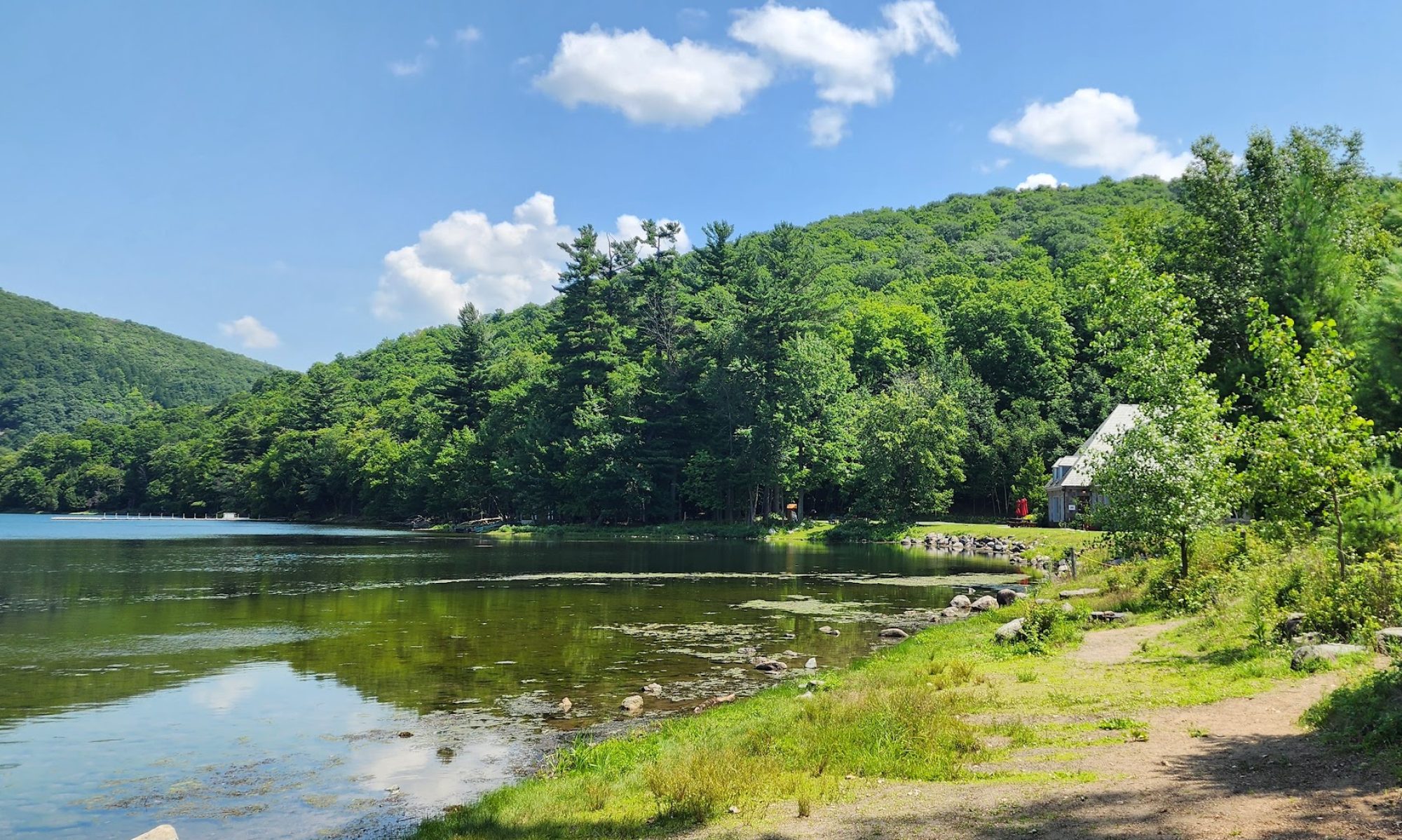
I also enjoy hiking plenty- all the photos you see on my site were taken by me, usually on a hike or during a trip. Rock climbing, going on jogs or walks, hiking, gardening… I like spending my time outdoors whenever possible. That said, being indoor has its perks too: my free time indoors is often spent crafting, practicing, or engaging with things I can do with my hands. I have a lot of belief that being a good musician goes past the borders of just knowledge- being able to know how your body works is a vital aspect of playing, just as much as any amount of music theory!

My stepfather’s side of our family is very musical, while my mother’s was always more into visual arts. I wound up getting the best of both worlds. It’s an important part of our lifestyle, and it’s also wonderful for helping to cultivate good communication and social skills even when you’re not the most adept at them. We also like our pets: somehow both of our fluffy creatures have managed to evade knocking any equipment over, but handle being in a house full of sounds quite well. It’s impressive, given how good their hearing is.

Hopefully this was somewhat insightful. If you see me around, feel free to stop and say hello!